
Why exposed exteriors need careful priorities
Roof first if needed
Slate defects are dealt with first when they are feeding wider masonry trouble.
Materials kept compatible
Granite repairs and lime render are chosen for maintenance as well as looks.
Access and weather matter
Safe access and suitable conditions shape when each exterior phase should happen.
Exposed exteriors need compatible materials
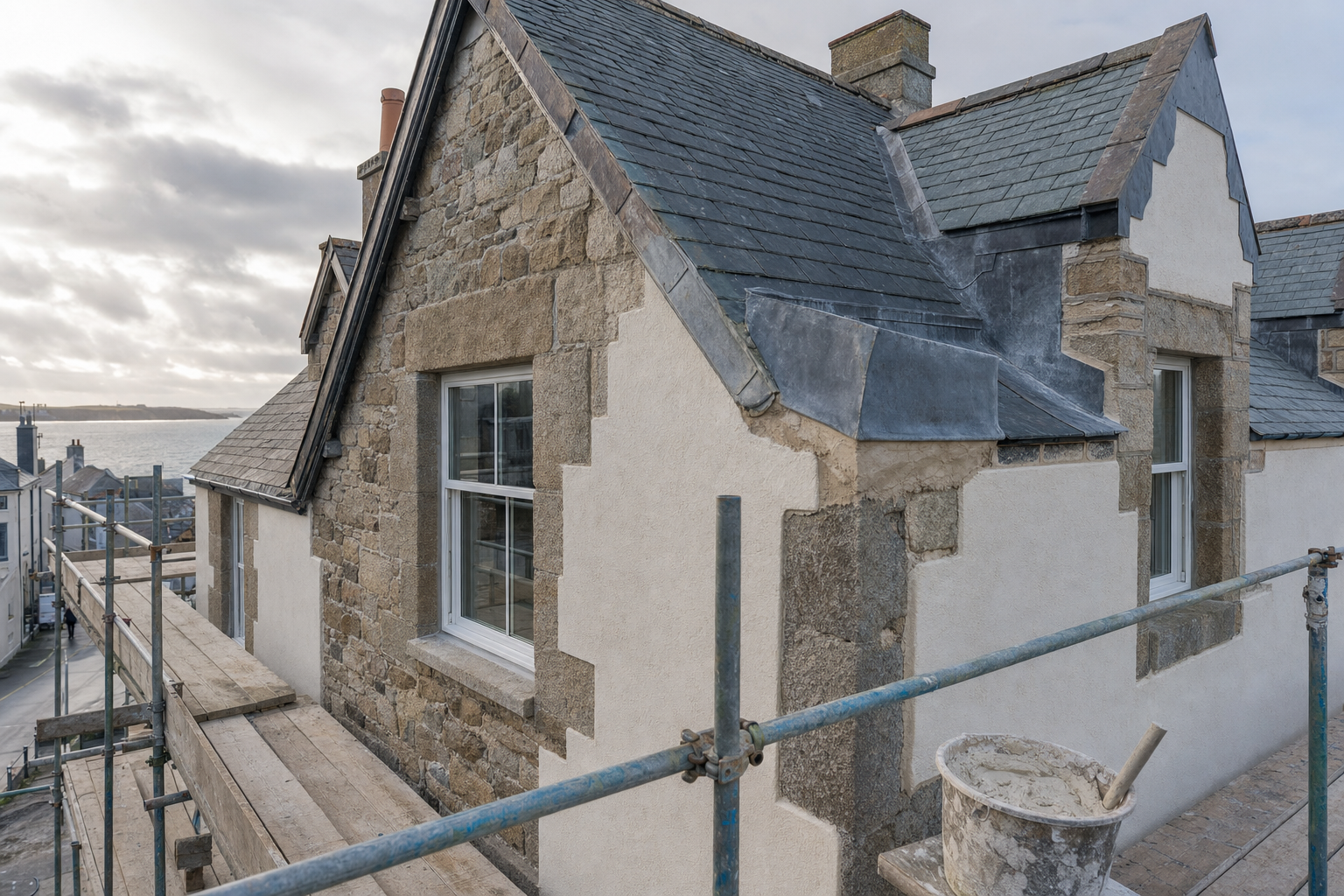
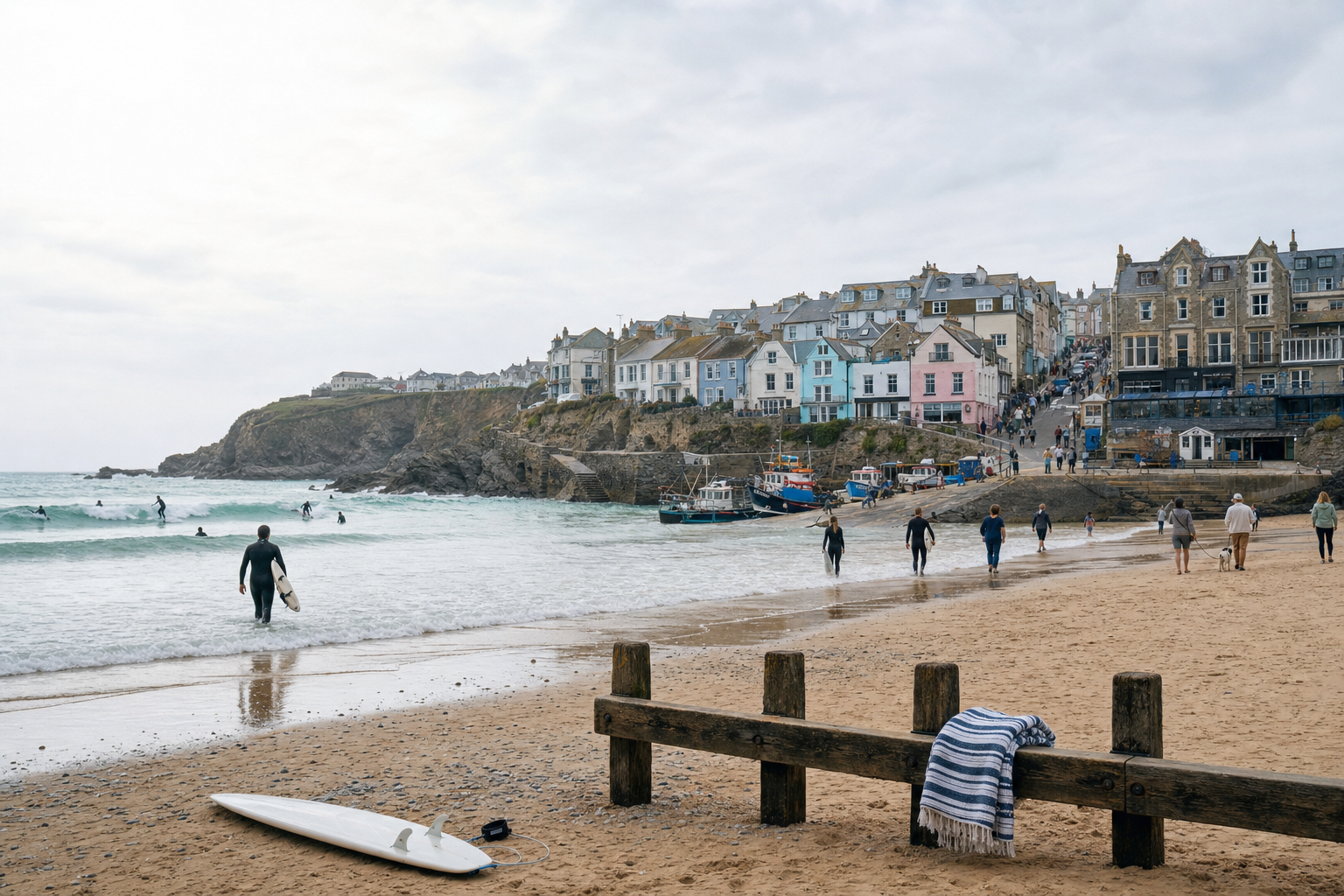
In Newquay, exposed exteriors ask more of every repair. Slate roofs, granite masonry and lime render all have to cope with salt air, rain and strong sun, so the weak point is often the place where one material meets another. We assess those parts together and set sensible priorities before the work begins. With Paul Clarke Restorations, roof defects, stone decay and render failure are read as parts of the same exterior story.
Safe sequencing for roof, stone and render
Some Newquay properties need safe roof access and slate matching sorted first. Others need granite repair or new lime render before the external fabric feels settled again. The order depends on what is letting water in, what can be retained and when the conditions suit lime work. By choosing Paul Clarke Restorations, you can repair exposed masonry and roofing with materials that belong on the building rather than merely survive the next shower.
Frequently asked questions
Can slate, granite and render defects be surveyed together?
Yes. On exposed exteriors, those defects often influence one another, so a combined survey gives a clearer repair order. It is better to understand the whole weather line than to fix one patch and hope the rest behaves.
How do you choose which exterior repair comes first?
We start with what is actively letting water in or destabilising the fabric. That may be the roof, the granite joints or the failed render, depending on the condition we find. The sequence should follow the building's needs, not the most obvious stain.
Does exposure in Newquay change material choice?
Exposure can affect the mix, the finish and the level of protection needed during the work. In Newquay, it also reinforces the value of compatible, maintainable materials that can cope with weather without forcing the old fabric around them.