
Why the renovation order matters
Structure then finish
Openings and repairs are completed before lime plaster is asked to hide the evidence.
Old fabric protected
Retained details stay safer when the whole sequence is decided early.
Less rework later
A joined-up plan helps finished rooms avoid being reopened for missed structural work.
Renovation decisions that respect old walls
In Truro, renovation work on older buildings often stalls when layout changes are pushed ahead before the structure and finishes have been thought through together. We plan property renovations, opening alterations and internal lime plastering as linked stages, so the new arrangement does not come at the expense of the old walls. With Paul Clarke Restorations, the structural changes are set first and the breathable finish follows when the building is ready for it.
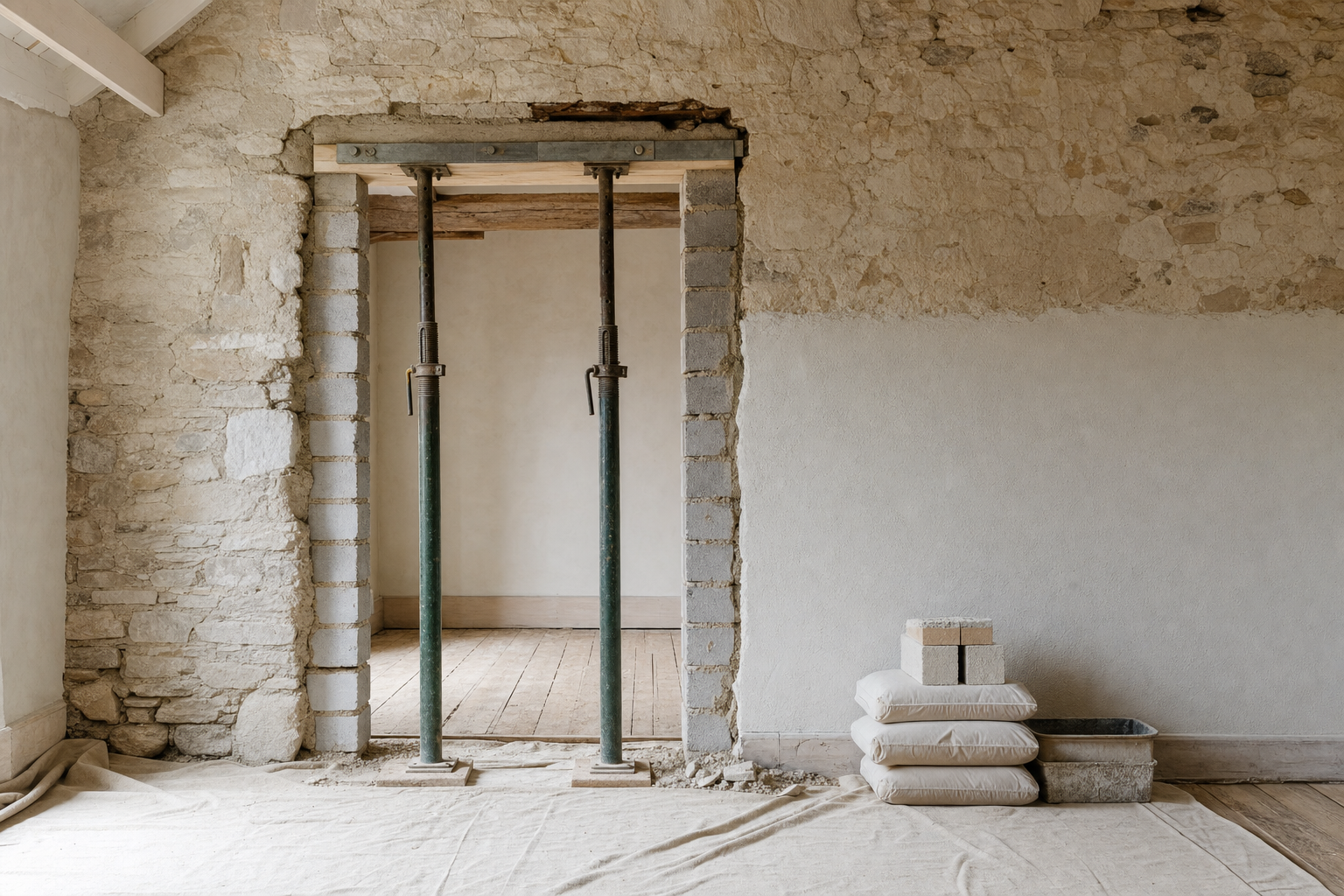

From structural change to breathable finish
Some Truro projects need walls opened up and made good before any room finish can begin. Others need a wider sequence covering retained features, fabric repairs and the slower pace of lime plaster curing. The point is to avoid doing neat work twice. By bringing in Paul Clarke Restorations, you can move from structural change to finished interior in an order that respects the building and saves a lot of muttering later.
Frequently asked questions
Should structural changes come before lime plastering?
Usually, yes. Openings, support work and masonry repairs are best settled before breathable finish coats go on. That helps avoid cracking fresh plaster or asking it to conceal movement that the structure has not finished with yet.
Can openings and finishes be planned as one renovation?
Yes. Planning them together helps the layout, structure and final look support each other. It also means the finish can be chosen with the wall condition and likely drying behaviour already in mind.
How do you protect retained features on a Truro job?
We decide early what is staying, then shape access, sequencing and repair methods around it. On Truro renovations, that can mean protecting stonework, delaying finish work or adjusting the order so original fabric is not battered by later stages.