
What skilled masonry protects
Sound bonds matter
New work is tied in properly, so the wall keeps its strength as well as its face.
Stone matched with care
Type, bed and finish are chosen to sit naturally beside the original work.
Qualified detail work
Training shows in the cut edges, joints and bearing surfaces that hold everything together.
Repair and rebuild stone with the wall in mind
Stonework fails in different ways depending on its type, bedding, load and exposure, so the repair needs more thought than simply swapping one block for another. We handle natural-stone repairs, replacements and rebuilding for walls, retaining work, arches, surrounds, quoins and other features where sound bonding matters. Dry-stone work can also be included where that is the right method. With Paul Clarke Restorations, the stone is judged for what it has to carry as well as how it has to look.
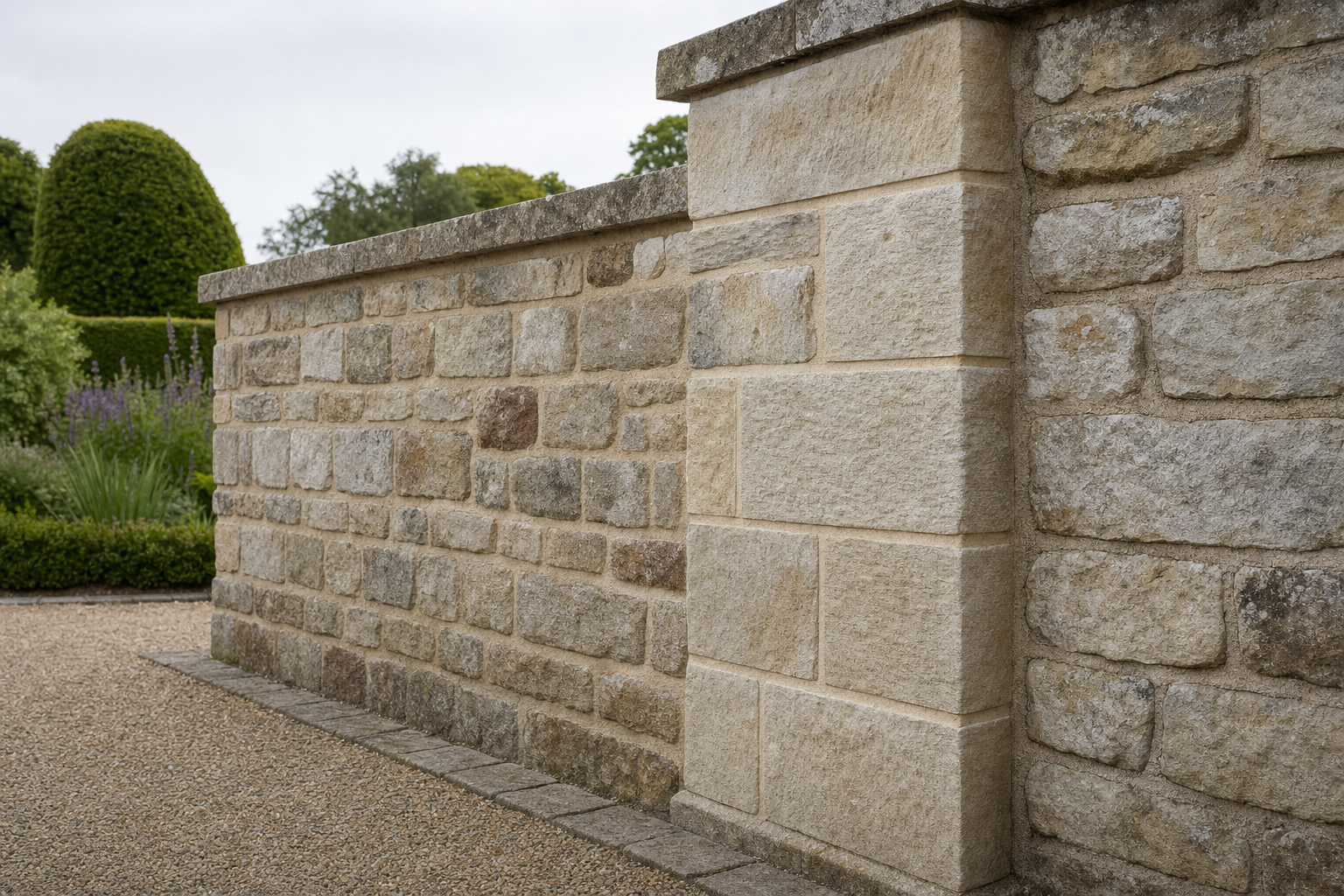
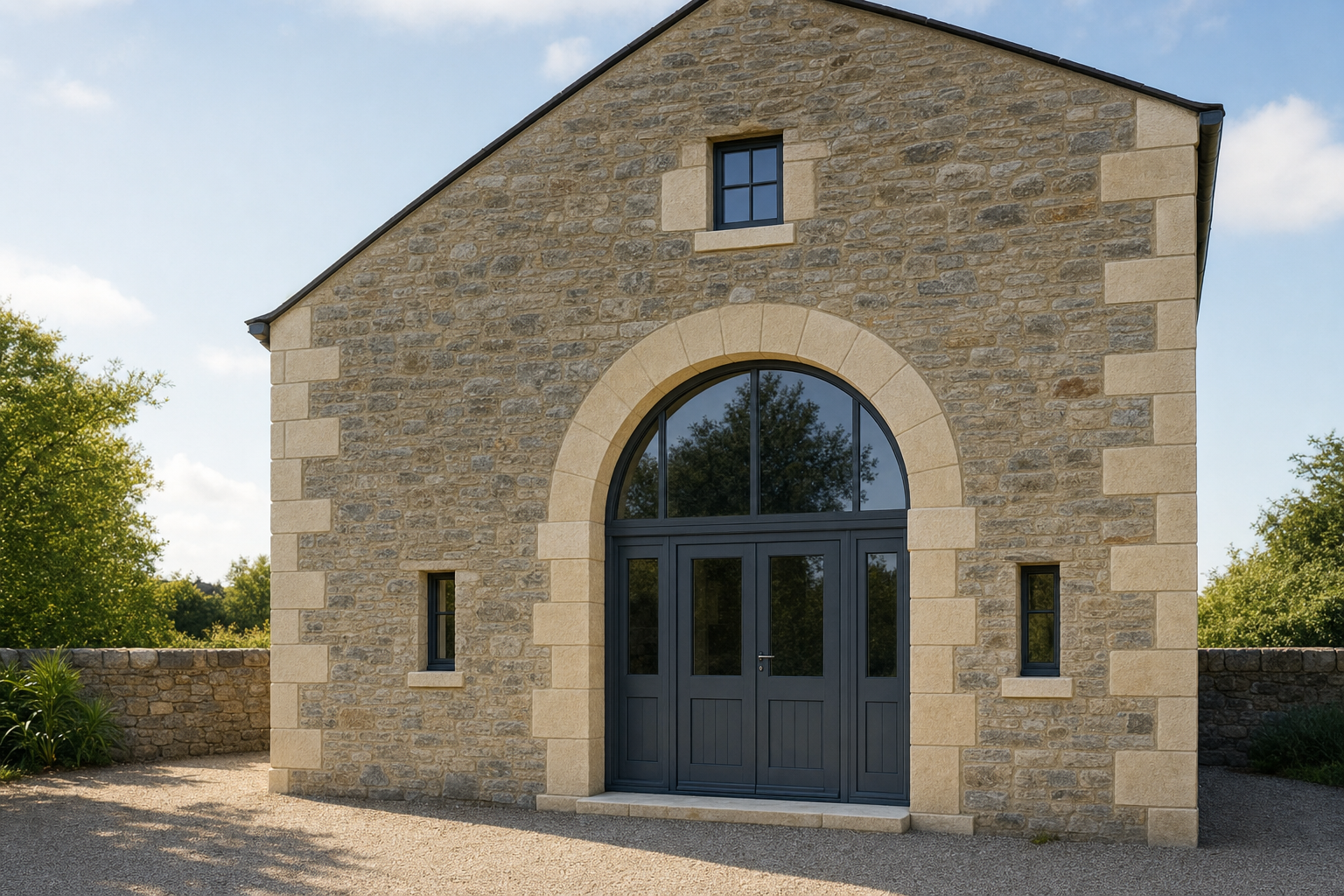
Training matters when the detail gets awkward
Formal stone masonry training matters most when the repair has to do more than fill a gap. Dressing replacement stone, matching existing tooling and keeping the bond structurally sound all depend on good judgement, not just confidence with a grinder. We use traditional and modern methods where each makes sense, and we match mortar to the wall rather than the nearest ready-mix habit. By choosing Paul Clarke Restorations, you get qualified hands on both the visible finish and the hidden strength behind it.
Frequently asked questions
Do formal qualifications matter in stone masonry?
They matter most when the repair has to do more than fill a gap. Matching bedding, dressing replacement stone, carrying loads correctly and keeping the bond sound all rely on proper knowledge. Qualifications do not replace experience, but they do show the craft has been learned on purpose, not by hopeful improvisation.
Can you rebuild part of a stone wall, not all of it?
Yes, if the damage is localised and the remaining structure is sound. Partial rebuilding can deal with collapsed tops, corners, loose sections or failed retaining stretches without taking down more than the wall needs. The key is tying the new work back in so it behaves as one wall, not two arguments side by side.
How do you match replacement stone?
We look at stone type, bed, size, colour, tooling and the way the original masonry is laid. A decent match is about more than the face you see from the outside. The stone has to sit correctly in the wall and work with the chosen mortar, otherwise the repair will always feel wrong even if nobody can say why.