
What joined-up renovation solves
One planned sequence
Structural work, repairs and finishes are set in an order the building can tolerate.
Retained features protected
Original details stay safer when the scope is clear before tools start moving room to room.
Less costly rework
Good sequencing helps stop finished areas being reopened when hidden issues appear.
Plan the renovation as one sensible sequence
Renovating an older property is rarely a matter of decorating around the awkward bits. Structure, layout, damaged fabric and the building's intended use all pull on each other, so the work makes more sense when it is planned as one joined-up scope. We handle renovations and conversions that bring structural changes, repair work and compatible finishes together in the right order. With Paul Clarke Restorations, the point is not to throw trades at the building until something improves. It is to move the job forward without undoing what needs keeping.
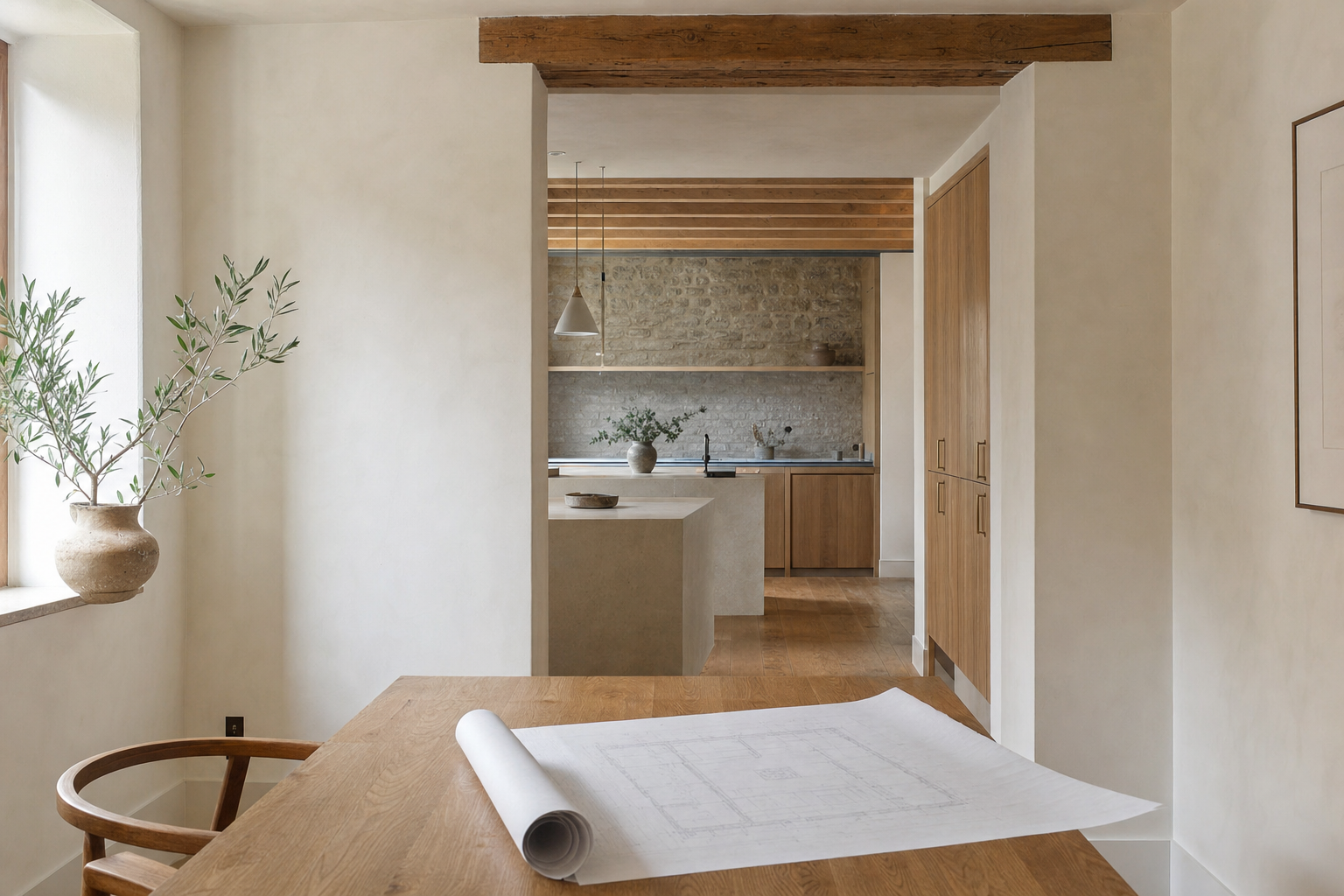

Older buildings punish the wrong order of work
Openings, gable work, floor structures and finish repairs all have their moment, and older buildings are quick to punish the wrong sequence. We help define the scope, protect retained features and manage the discoveries that usually appear once work starts in earnest. That can mean changing the order of tasks without losing sight of the final goal. When you choose Paul Clarke Restorations, the renovation stays grounded in how the building actually behaves, not how the drawing looked on a dry day.
Frequently asked questions
Why plan renovation as one scope, not scattered jobs?
Because older buildings are full of cause and effect. Moving an opening, repairing a gable or replacing a floor can all change what needs doing next. A joined-up scope helps put the work in the right order, protect what should stay and reduce the number of surprises that come from separate trades solving separate pieces.
Can you combine structural changes and fabric repairs?
Yes. In fact, they often belong together. Structural openings, masonry repairs, floor work and compatible finishes usually affect one another, especially in older buildings. Treating them as one plan helps the building stay stable and stops newly finished areas from being reopened when the next stage starts.
What happens if hidden issues turn up?
We explain what has been found, why it matters and how it affects the sequence. Older properties are famous for showing you the real story only after work begins. The trick is not to act surprised that this happened, but to respond in a way that keeps the building safe and the wider plan moving sensibly.