
What sound structural repair looks like
Cause checked first
We trace movement and weakness before deciding how much repair the building really needs.
Strength with restraint
Reinforcement and rebuilding are kept as discreet and compatible as the wall allows.
Made good properly
Once stable, the surrounding masonry is repaired so the finish does not hide fresh trouble.
Stabilise the building without fighting the fabric
Movement cracks, dropped lintels and weak wall sections in older buildings need more than filler and hope. We assess the defect in the context of the whole structure, because lime-built, stone and cob walls respond badly when strength is restored with materials that fight the original fabric. The first question is not how to hide the damage. It is why it happened and what the wall can accept. With Paul Clarke Restorations, structural repairs are planned to stabilise the building without leaving hard, clumsy scars behind.
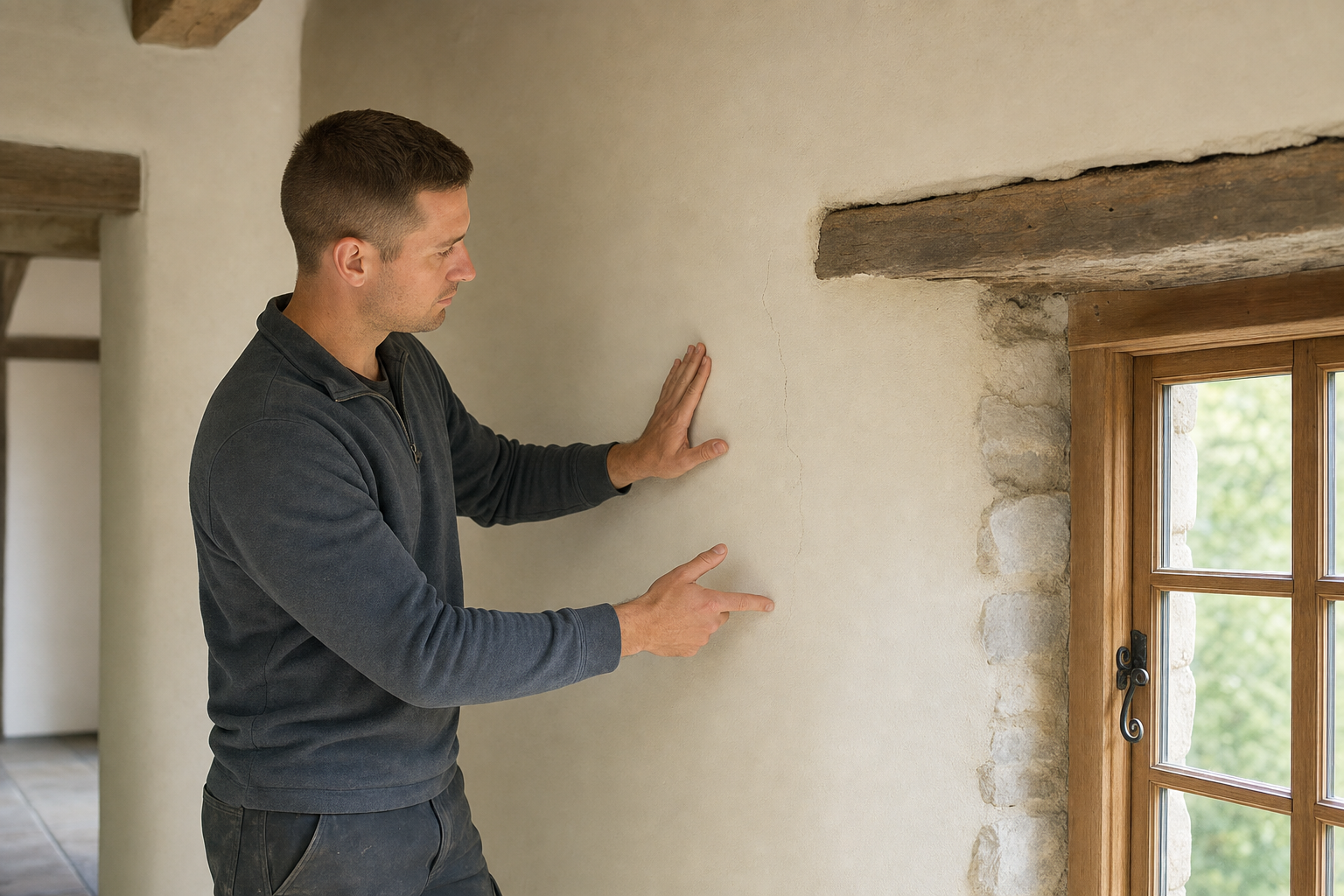
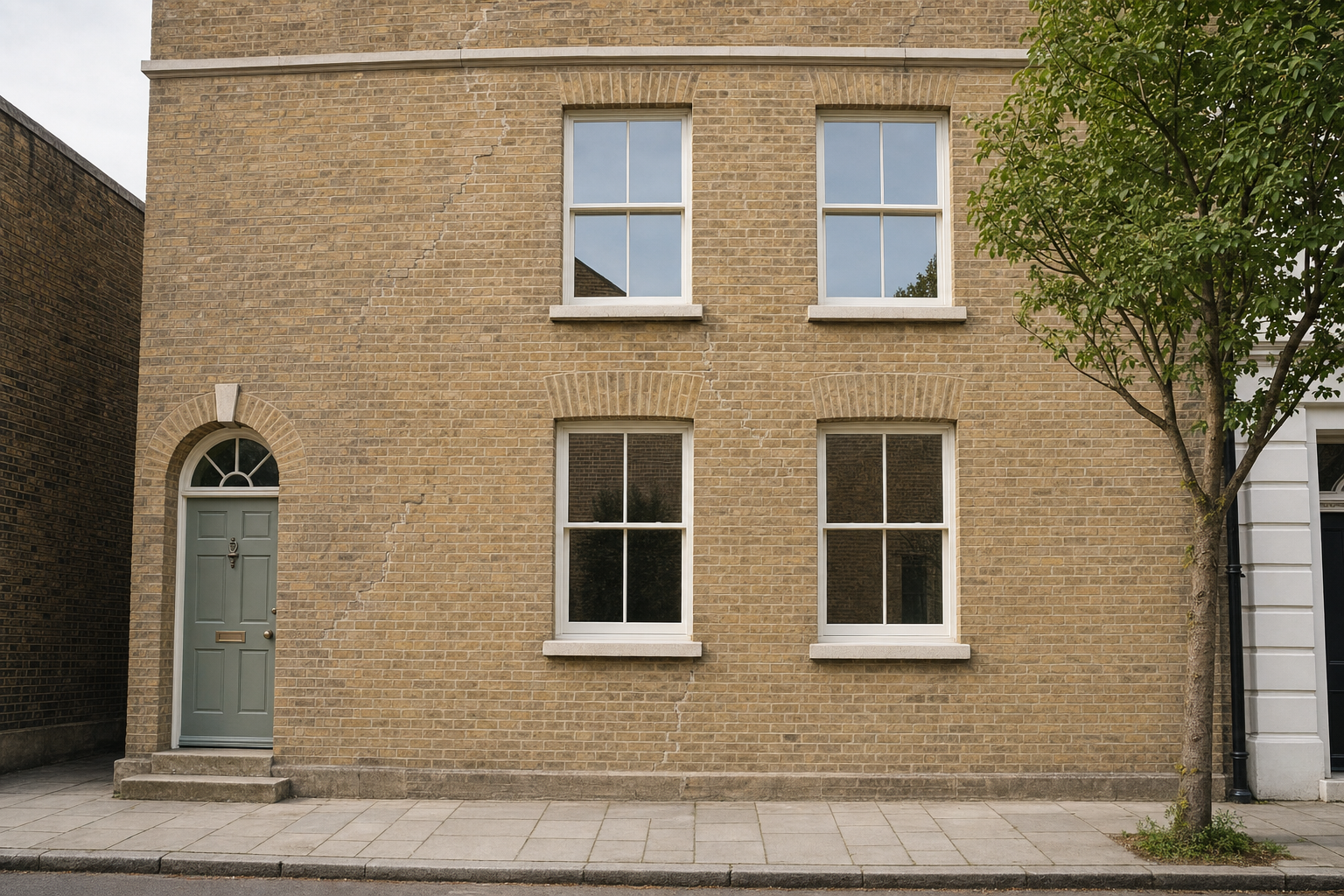
From cause to cure, explained in plain terms
Depending on the defect, the work may involve temporary protection, crack stitching, stone replacement, discreet reinforcement, local rebuilding or repairs to lintels, arches, quoins and openings. Once the structure is sound, the surrounding masonry and finish need making good in a compatible way. When you choose Paul Clarke Restorations, the sequence runs from cause to cure in plain terms, so you know what is being stabilised and why.
Frequently asked questions
Can cracks be stitched instead of rebuilding?
Sometimes, yes. Crack stitching can help where the masonry is otherwise sound and the movement has stabilised or can be controlled. If the wall is loose, the lintel has failed or the defect runs deeper, rebuilding or more involved repair may be the wiser route. The method should follow the cause, not the trend.
Do you repair failing lintels in old walls?
Yes. Older openings can suffer from decayed, cracked or overloaded lintels, and the repair needs careful support while the work is done. We assess what the lintel is carrying, how the surrounding masonry has reacted and what compatible repair or replacement will stabilise the opening properly.
Will structural repairs need matching masonry after?
Usually, yes, if the work is to look right and protect the wall properly. Once the structure is stabilised, the stone, joints and finishes around it often need compatible making good. Good structural work should not leave the wall looking as though a repair gang and a patching gang lost an argument halfway through.