
Why compatible restoration pays back
Original fabric respected
Repairs are shaped to keep sound historic material in place wherever that still makes sense.
Breathable methods used
Compatible lime, stone and cob work helps older walls deal with moisture properly again.
Approvals considered early
Heritage input is built into the plan where listed-building or conservation steps apply.
Restore the fabric without rubbing out the past
Older cottages, farmhouses, manor houses and coastal buildings do not improve when they are treated like modern stock. We restore period property by studying the fabric first, keeping as much original material as we sensibly can and using repairs that suit the building's age, structure and condition. Moisture behaviour, earlier cement patching and the heritage importance of each part all affect the right plan. With Paul Clarke Restorations, the aim is to conserve what matters, not strip it back until the place loses its memory.
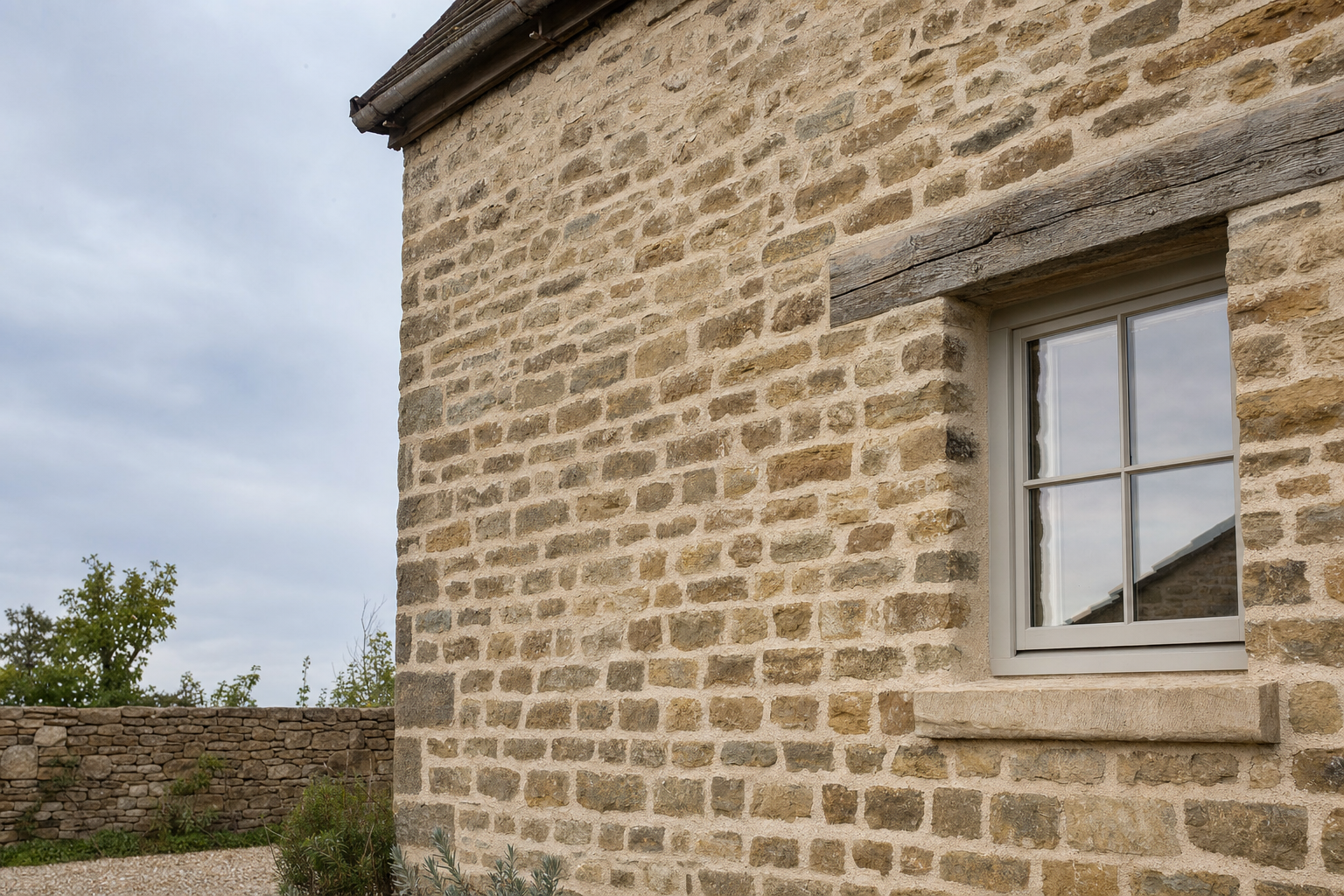
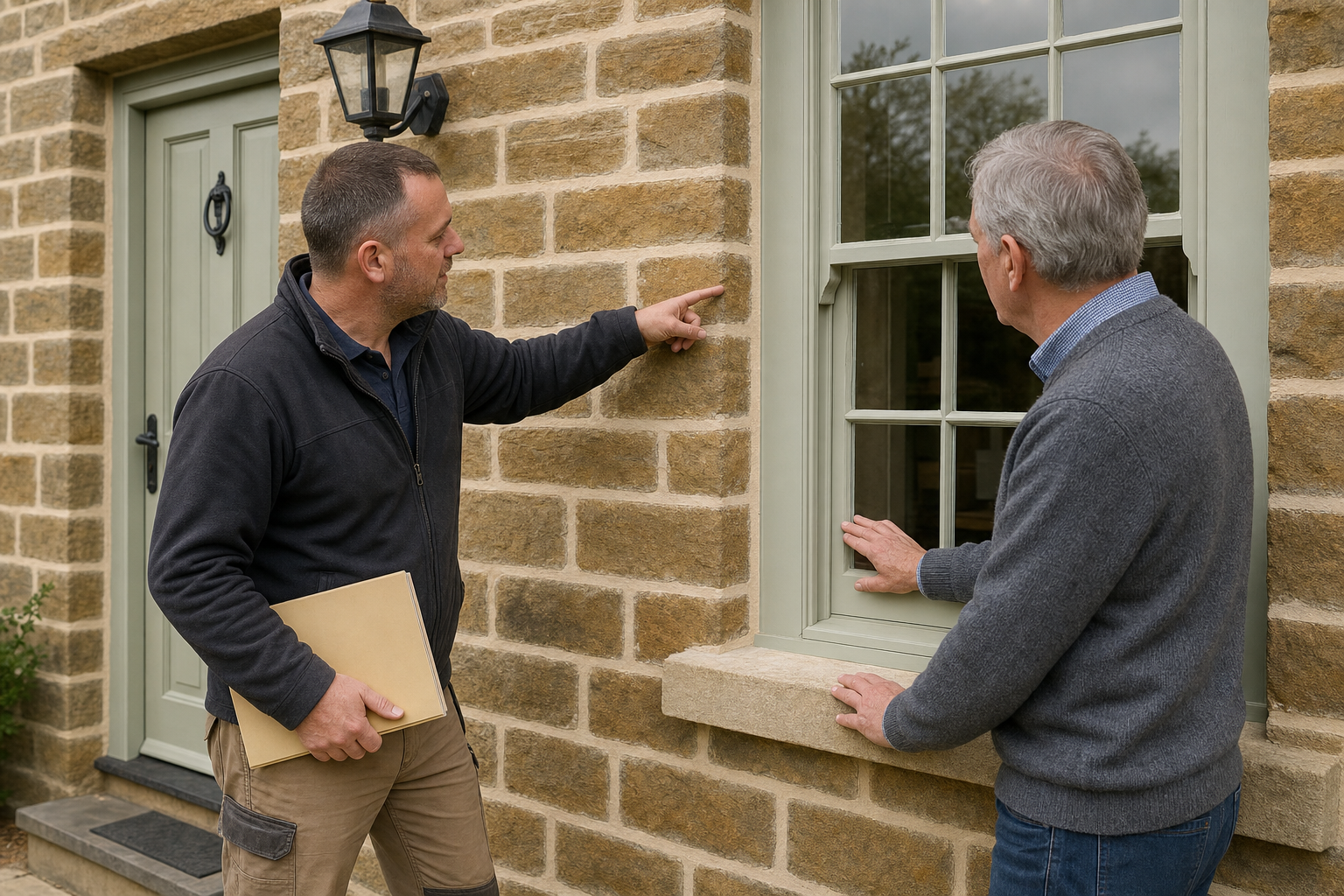
From cob repairs to stone details, handled carefully
Cob conservation, stone repairs, joint renewal and the reinstatement of quoins, lintels and reveals all need compatible materials and a steady hand. Some jobs also need surveyors, conservation officers, heritage architects or building control involved along the way. When you bring in Paul Clarke Restorations, the repair scope can be shaped around approvals and practical site conditions, so the finished work looks settled into the building rather than pasted over it.
Frequently asked questions
What does conservation-led restoration mean?
It means the building's age, materials and historic value guide the repair. Instead of replacing widely for convenience, we keep sound fabric where possible and use compatible methods where work is needed. The aim is to solve the problem without rubbing out the character that made the place worth restoring.
Can you work with listed-building approvals?
Yes, where approvals or heritage input are part of the job, we can coordinate our work around them. Older and listed buildings often need a clear repair logic, suitable materials and good communication with others involved. It is steadier work, but usually far better for the building in the long run.
How do you plan repairs on heavily patched buildings?
We look at what earlier work has changed, especially hard cement, trapped moisture and repairs that are stronger than the wall around them. That tells us what can stay, what needs reversing and what can be repaired in place. Older buildings are good at revealing bad decisions, so the plan has to respect that.