
Why older walls benefit from lime
Breathable outer coat
Lime render helps walls shed weather while still letting built-in moisture work its way out.
Finish chosen to suit
Texture, coat depth and limewash can be adjusted to the building and the look you want.
Curing time respected
Protection between coats helps the render settle and harden the way it is meant to.
Protect old walls without sealing them in
External walls on older buildings need protection that does not trap yesterday's rain inside them. We apply lime render as a breathable outer coat that helps solid masonry shed water while still letting moisture move through the wall in a healthier way. The substrate, condition of the backing and the wall's exposure all matter before the first coat goes on. With Paul Clarke Restorations, hand-mixed render, limewash finishes and thermal lime approaches are chosen to suit the building rather than copy a modern shortcut.
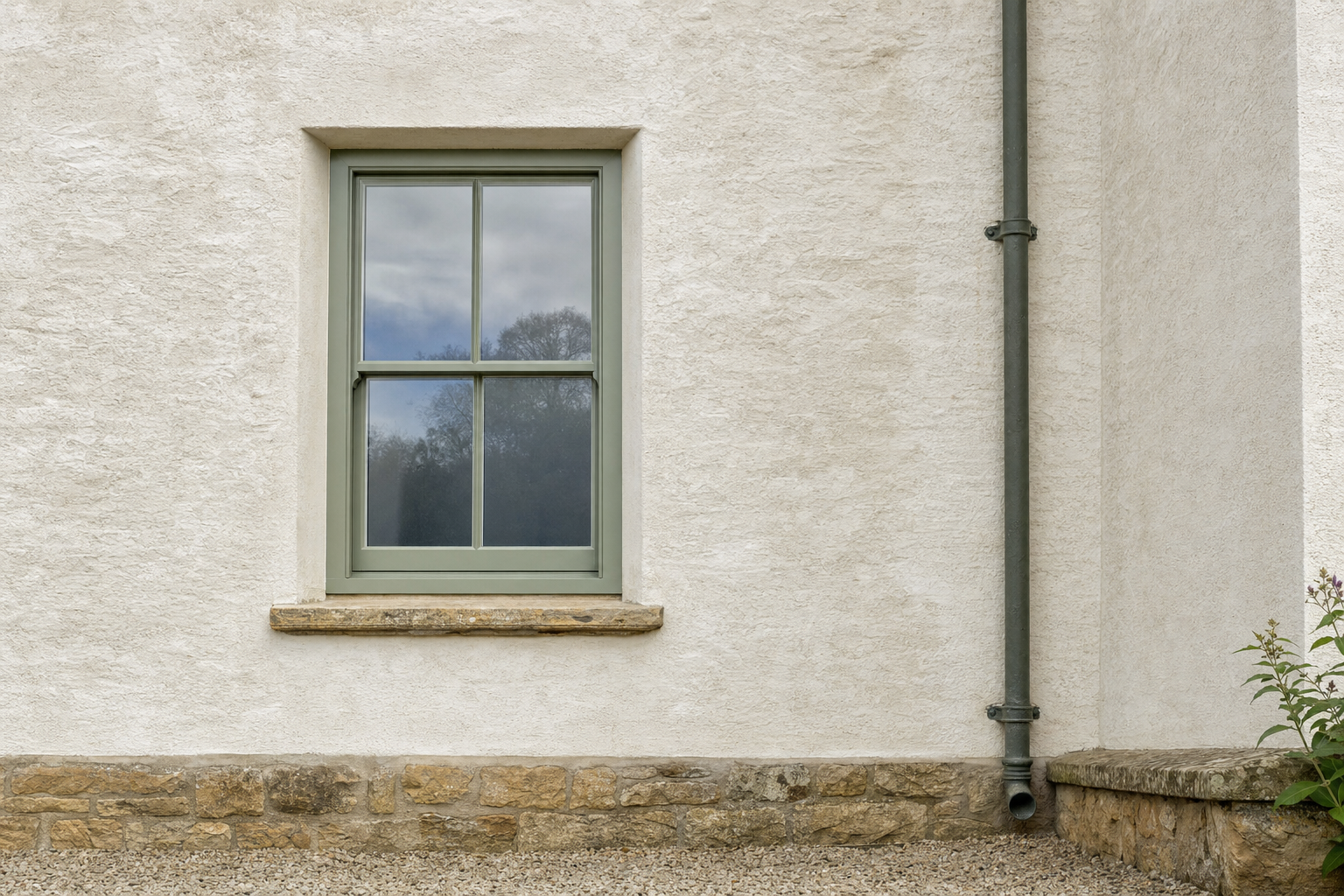
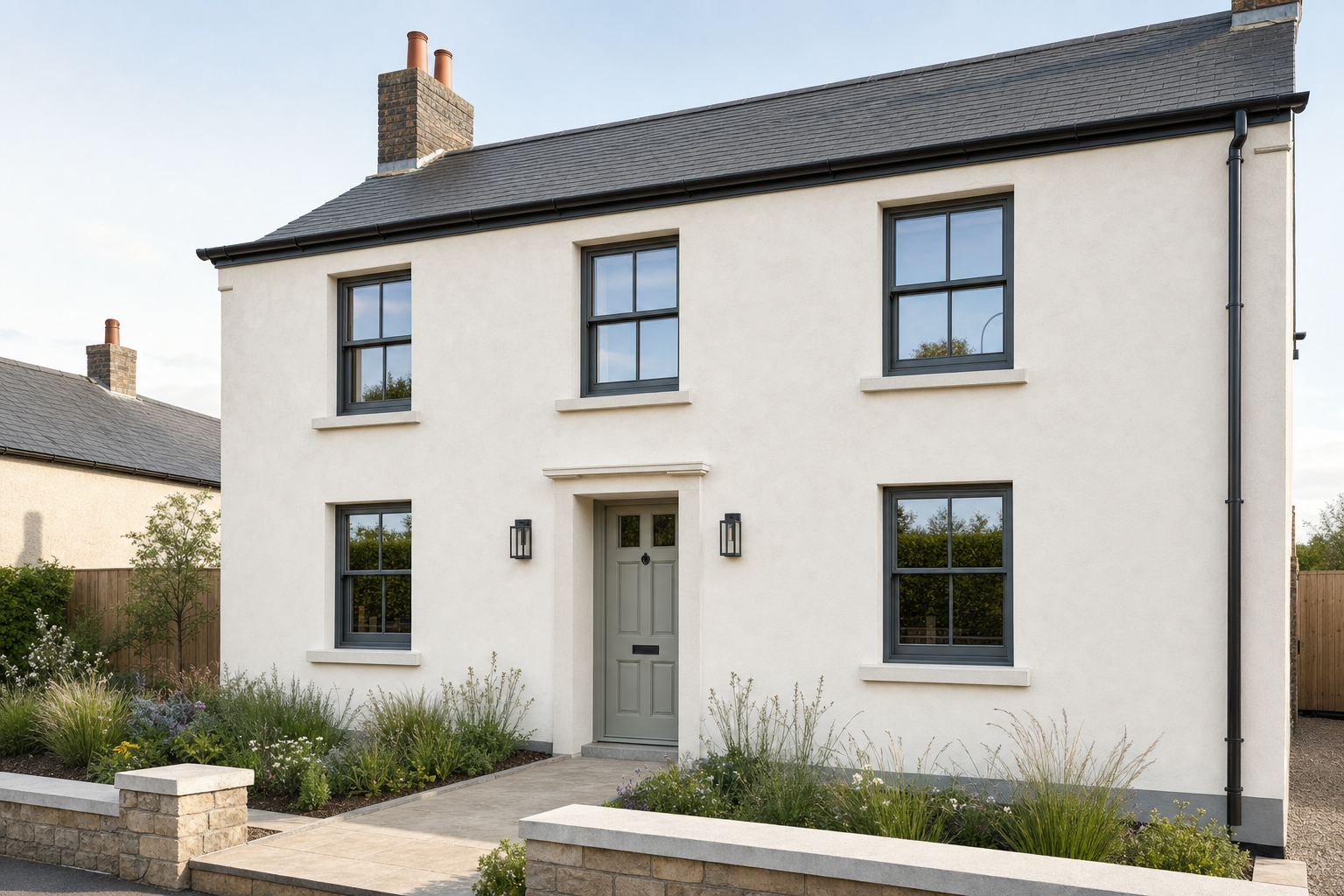
Layered work that follows wall and weather
Good render builds in layers, and each layer needs the right preparation, adhesion and curing time. We judge the mix and finish by the wall material, the weather it faces and the appearance you want once the work settles down. Application days, protection and the gap between coats all matter more than a rushed finish suggests. By bringing in Paul Clarke Restorations, you get lime work paced around the weather and the wall, not just the diary.
Frequently asked questions
Why choose lime render over cement render?
On older solid walls, lime render is usually better at letting moisture escape while still protecting the surface from the weather. Cement can be too hard and too dense for softer masonry, which may lead to trapped damp and damage behind the face. Lime is not magic, but it is often much better mannered.
Can lime render help damp-prone walls?
It can help where the wall needs a breathable finish and where trapped moisture is part of the problem. The wall still has to be assessed properly, because damp can come from several directions at once. Lime render works best when the backing, the detailing and the moisture path have all been thought through together.
How is the finish decided?
We look at the wall material, the building's age, how exposed the elevation is and the appearance you want once the render settles. Some walls suit a simple traditional finish. Others need a different texture or limewash. The right answer is the one that behaves well on the wall and looks like it belongs there.